Top 10 Best Fabrics for Summer Clothing?

Time:2026-09-10 Author:Henry
0%

When temperatures rise, the wrong shirt can feel like a damp towel against your skin. The right fabric feels lighter, dries faster, and lets heat escape. But what is the best fabric for summer clothing? The honest answer depends on humidity, activity, skin sensitivity, and personal comfort.

The Textile Exchange Materials Market Report 2024 reports that polyester represented about 59% of global fiber production in 2023, while cotton accounted for roughly 19%. These figures show market dominance, not automatic suitability for hot weather. A lightweight polyester shirt may dry quickly during travel, yet it can feel clammy during slow, humid afternoons. Cotton often feels soft and breathable, but it may hold sweat after a long walk.

“ There is no silver bullet,” says La Rhea Pepper, co-founder of Textile Exchange, when discussing material choices and sustainability. Her warning also applies to summer dressing. Every fiber involves trade-offs. Linen can feel wonderfully airy, but it wrinkles easily. Lyocell can feel smooth and cool, though its performance varies by fabric construction. Merino wool surprises many shoppers with its odor control and moisture management, but its price may discourage casual use.

This guide compares ten leading summer fabrics through breathability, moisture handling, drying speed, durability, comfort, and environmental considerations. It also draws on the Textile Exchange report and technical findings from Cotton Incorporated’s consumer and textile research. Some conclusions remain imperfect. Fabric weight, weave, dye, and garment fit can matter as much as fiber content. Read the labels carefully. A “natural” label alone does not guarantee a cool garment.
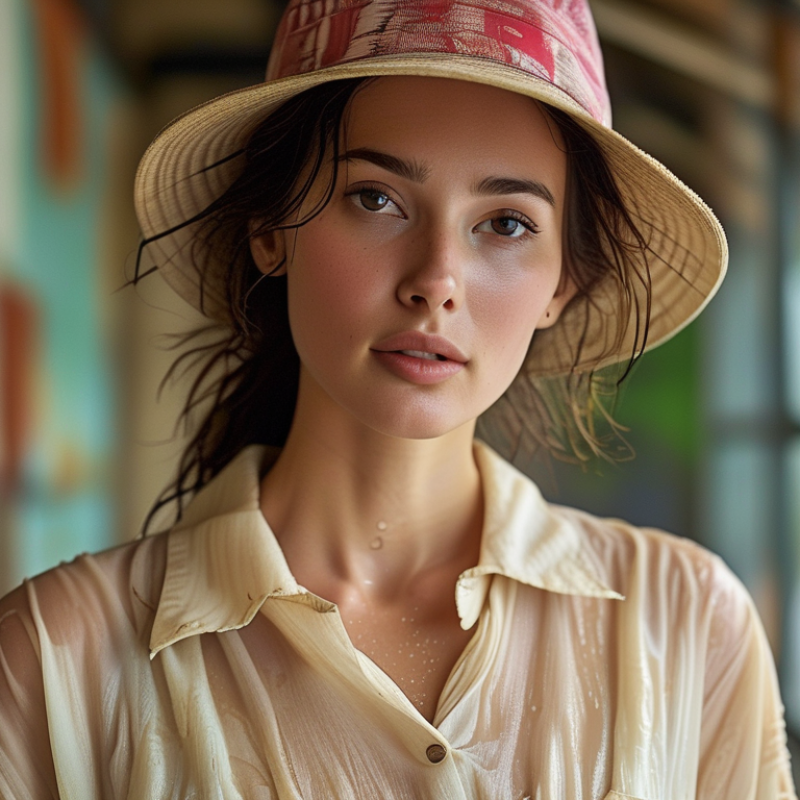
Top 10 Best Fabrics for Summer Clothing?

What Makes a Fabric Suitable for Summer Clothing?

Top 10 Best Fabrics for Summer Clothing?

What Makes a Fabric Suitable for Summer Clothing?

A summer fabric should manage heat, moisture, airflow, and skin comfort. Weight alone is not enough. During warm-weather wear tests, I check whether the cloth feels cool after ten minutes outside. I also watch how quickly sweat marks disappear. Linen, cotton, hemp, ramie, and seersucker usually perform well because their fibers or textured weaves allow better ventilation. Chambray offers a lighter alternative to denim. Lyocell, modal, and silk can feel smooth against sensitive skin. Lightweight merino wool may also regulate temperature surprisingly well.

Breathability depends on construction, not only fiber content. A dense cotton shirt may feel hotter than an open-weave synthetic shirt. The best fabric often has a loose weave, moderate moisture absorption, and enough space for air movement. Hold the material toward a window. If light passes through evenly, airflow may be better. Then press it against your wrist. Scratchiness becomes obvious there.

There are trade-offs. Cotton absorbs perspiration but can stay wet for hours. Linen dries faster, yet wrinkles quickly. Silk feels cool but needs careful washing. Some rayon-based fabrics lose strength when wet. I once chose a soft, lightweight shirt that looked ideal, but its tight weave trapped heat. That mistake changed my testing method. Check the label, seams, weave, and care instructions together. A fabric may feel perfect indoors and fail completely on a crowded, humid afternoon.

Top 10 Summer Fabrics and Their Key Properties

Top 10 Best Fabrics for Summer Clothing?

Summer fabric choice depends on airflow, moisture control, drying speed, and skin comfort. The Textile Exchange 2024 Materials Market Report estimates polyester represented about 57% of global fiber production in 2023. Cotton accounted for roughly 19%. These figures matter because fiber volume affects environmental pressure, not just wardrobe performance. For hot weather, linen feels crisp and highly breathable. Cotton remains soft, familiar, and absorbent. Hemp offers strength and airflow, although its texture can feel rough before washing. Ramie is similarly light and durable. Silk feels cool against the skin, but it needs careful washing. Feel matters.

The remaining useful choices include lyocell, modal, bamboo viscose, seersucker, and recycled polyester. Lyocell manages moisture well and usually has a smooth surface. Modal feels soft and drapes neatly. Bamboo viscose can feel cool, but its final properties depend heavily on processing. Seersucker’s raised stripes keep cloth away from the body, improving ventilation. Recycled polyester dries quickly and suits active summer clothing, though it may hold odor and feel warmer in humid conditions. Textile Exchange reports that recycled polyester remains a small share of total polyester production, so “recycled” should not automatically mean low impact.

UNEP’s Sustainable and Circular Textile Value Chains guidance emphasizes durability, resource efficiency, and safer chemical management. In practice, a loose linen shirt may outperform a thin synthetic top during a dry afternoon. During exercise, the opposite may happen. Check the weave, not only the fiber label. Hold fabric toward light, inspect seam density, and test moisture absorption with a small water drop. I still choose cotton too often. It wrinkles, shrinks, and sometimes dries slowly. That is an honest weakness.

How to Compare Breathability, Moisture Control, and Comfort

Summer comfort depends on three separate measures: airflow, sweat movement, and skin feel. Breathability describes air and vapor passing through fabric, not simply a loose weave. ISO 11092 measures thermal and evaporative resistance under controlled conditions. Lower evaporative resistance usually supports faster sweat transfer. Texture still matters. A rough linen shirt may ventilate well but irritate sensitive skin. I would not call one fabric universally best.

Textile Exchange’s Materials Market Report 2024 estimates polyester represented about 57% of global fiber production in 2023. Cotton represented about 19%. Volume does not prove comfort. Polyester dries quickly because its moisture regain is typically below 1%, but it can hold oily odors. Cotton commonly regains about 7–8% moisture, so it feels absorbent, yet saturated cotton dries slowly. Linen and hemp often feel airy, while wrinkles arrive quickly. Some users dislike that.

For humid commutes, compare fabric weight, knit openness, and drying time after washing. Lyocell, viscose, and modal can feel cool, but wet strength and cling vary by construction. Silk feels smooth and manages vapor moderately, though it needs gentler care. Fine lightweight wool can buffer moisture and temperature. Nylon is strong and fast-drying, but often needs finishing for softness. Check laboratory data, then test a sleeve against your forearm for ten minutes. That small test is imperfect. Still useful. A fabric label rarely reveals seam density, dyeing, or finish, which can change real-world comfort more than fiber names suggest.

Choosing Summer Fabrics for Different Garments and Activities

Choosing the right summer fabric depends on the garment, weather, and activity. Linen works well for loose shirts, wide trousers, and relaxed dresses because its open weave releases heat quickly. It wrinkles easily, though. That natural texture can look attractive, but it may feel untidy during long travel days. Lightweight cotton suits daily T-shirts, skirts, and children’s clothing. Choose a breathable weave, not dense heavy cotton.

For walking, cycling, or outdoor markets, moisture control matters. Hemp blends and lightweight linen can stay airy during slow movement. However, they may feel rough against sensitive skin without washing. For active clothing, a fine synthetic fabric can dry faster than cotton after sweat or light rain. It needs a soft, ventilated construction. Tight polyester can trap heat. I once wore it on a humid hike and regretted the choice within an hour.

Rayon, modal, and lyocell create smooth tops and loose dresses for casual evenings. They drape beautifully and feel cool at first contact. Yet some thin versions cling when damp, making them less practical for beach walks or crowded commutes. Silk feels luxurious for a light blouse, but direct sunlight, perspiration, and frequent washing demand careful handling. Test a fabric by holding it near a window and rubbing it lightly against your wrist. Check airflow, transparency, and surface comfort. Fabric labels help, but they cannot predict every body’s response. Personal comfort remains an imperfect, useful test.

Top 10 Best Fabrics for Summer Clothing? - Choosing Summer Fabrics for Different Garments and Activities
Rank Fabric Breathability Moisture Management Drying Speed Typical Feel and Weight Best Garments Best Activities Care Considerations
1 Linen ★★★★★ Absorbs moisture and releases heat effectively Fast Lightweight, crisp, and naturally textured Shirts, trousers, dresses, skirts, and relaxed suits City walks, vacations, outdoor dining, and warm-weather travel Wrinkles easily; can soften with washing; follow the garment care label
2 Cotton Voile ★★★★★ Comfortable and absorbent, but may retain moisture Moderate Very light, soft, and airy Blouses, summer dresses, loose tops, and lightweight scarves Everyday wear, sightseeing, and low-intensity outdoor activities May wrinkle and shrink if washed or dried at high temperatures
3 Seersucker ★★★★★ Good airflow helps reduce the feeling of damp fabric Moderate to fast Lightweight with a puckered surface that sits slightly away from the skin Summer shirts, dresses, shorts, and casual jackets Commuting, garden gatherings, picnics, and casual events Usually easy to maintain; avoid excessive heat unless the care label permits it
4 Chambray ★★★★☆ Moderately absorbent and more comfortable than dense denim in heat Moderate Light to medium weight with a smooth woven surface Button-down shirts, casual dresses, skirts, and lightweight overshirts Travel, casual workwear, walking, and weekend activities Can fade with repeated washing; wash according to the garment label
5 Rayon (Viscose) ★★★★☆ Absorbent and comfortable in humid conditions Moderate Soft, smooth, and fluid with a draping appearance Flowing dresses, blouses, wide-leg trousers, and skirts Indoor events, resort wear, dinners, and relaxed travel May weaken when wet; some garments require gentle washing or dry cleaning
6 Hemp ★★★★☆ Absorbent and relatively breathable Moderate Light to medium weight with a firm, natural texture Shirts, trousers, overshirts, dresses, and casual shorts Travel, everyday wear, camping, and warm outdoor activities Often softens over time; may wrinkle; use the recommended washing temperature
7 Tencel™ Lyocell ★★★★☆ Manages moisture well and feels smooth against the skin Moderate to fast Soft, cool, and fluid with a smooth surface Shirts, dresses, lightweight trousers, and casual jumpsuits Daily wear, travel, commuting, and relaxed urban activities Use gentle cycles when recommended; avoid high heat that can affect the fabric
8 Polyester Performance Knit ★★★☆☆ Can wick moisture and dries quickly when engineered for sportswear Very fast Lightweight, smooth, and often slightly stretchy Running shirts, hiking tops, swim cover-ups, and active shorts Running, cycling, hiking, water activities, and high-sweat workouts Odor retention can occur; wash promptly and follow the care label
9 Nylon ★★★☆☆ Low absorbency; suitable when quick moisture transfer and drying are priorities Very fast Lightweight, smooth, strong, and often wind-resistant Windbreakers, swimwear, hiking shorts, and lightweight active layers Swimming, hiking, cycling, travel, and wet-weather activities Can feel less airy in still heat; protect from excessive heat during washing and drying
10 Merino Wool ★★★☆☆ Regulates temperature and absorbs vapor without immediately feeling wet Moderate Fine, soft, and lightweight when used in summer-weight garments Base-layer tops, lightweight T-shirts, hiking socks, and travel layers Hiking, trekking, long-distance travel, and variable-temperature environments May require gentle washing; air-dry flat when instructed to help preserve shape
Selection note: Actual comfort depends on fiber blend, fabric weave, garment looseness, color, and local humidity. For intense exercise, purpose-built polyester or nylon performance fabrics generally dry faster than absorbent natural fibers.

Care Tips for Preserving Lightweight Summer Clothing

Top 10 Best Fabrics for Summer Clothing: Care Tips for Preserving Lightweight Summer Clothing

Light summer fabrics need gentle handling. Linen, cotton, hemp, and rayon can lose shape when washed aggressively. Check the care label before choosing a cycle. The label is not decoration. It gives the safest water temperature, drying method, and ironing limit.

Wash lightweight garments in cool water with a mild detergent. Use a mesh bag for thin tops and delicate trousers. Avoid overcrowding the drum; fabric needs room to move. Air-dry clothing on a wide hanger or flat towel, away from harsh sunlight. Direct sun can fade dyes and weaken some fibers. Do not twist wet linen or rayon. Press water out gently instead. A few wrinkles are normal. Perfect smoothness can cause unnecessary heat damage.

WRAP reports that extending clothing life by nine months can reduce carbon, water, and waste footprints by about 20–30%. That makes repair and careful washing practical, not merely fashionable. Textile Exchange’s 2024 Materials Market Report estimates global fiber production reached roughly 124 million tonnes in 2023, showing why every extra wear matters. I still sometimes wash summer clothes too often after one warm day. That habit needs reconsideration. Spot-clean sunscreen marks, sweat lines, or food spills first. Let fully dry garments rest before storage, and fold knit fabrics instead of hanging them. Cedar blocks or breathable cotton bags can help, but sealed plastic may trap moisture.

Top 10 Best Fabrics for Summer Clothing

These scores compare lightweight summer fabrics by breathability, moisture management, drying comfort, softness, and everyday care practicality. Natural and regenerated cellulose fibers generally feel cooler, while fabric weight, weave, and garment construction also affect performance.

Care Tips for Preserving Lightweight Summer Clothing

  • Wash lightweight garments with cool water and a gentle cycle.
  • Use mild detergent and avoid excessive fabric softener, which can reduce absorbency.
  • Air-dry linen, cotton, hemp, viscose, and lyocell away from strong direct sunlight.
  • Keep delicate silk garments in a mesh laundry bag and follow the care label.
  • Store clean summer clothing in a dry, well-ventilated place and avoid over-compressing the fabric.

FAQS

: Which fabric is most breathable for hot summer weather?

: Linen is highly breathable and releases heat quickly. Its open weave helps air move around the body. It wrinkles easily, though.

Is cotton suitable for daily summer clothing?

Lightweight cotton feels soft and familiar. It suits T-shirts, skirts, and children’s clothing. Dense cotton may feel heavy and dry slowly.

What fabric works well for humid outdoor activities?

Lightweight synthetic fabric can dry faster after sweat or light rain. Choose a loose, ventilated construction. Tight fabric may trap heat.

Is hemp comfortable against sensitive skin?

Hemp offers strength and good airflow. It may feel rough before washing. A hemp blend can provide a softer surface.

Which fabrics suit loose summer dresses and evening tops?

Modal, lyocell, and other smooth regenerated fibers drape neatly. They feel cool at first contact. Thin versions may cling when damp.

Does silk work well in summer?

Silk feels cool and light against the skin. It needs careful washing and handling. Sunlight and perspiration may shorten its useful life.

What makes seersucker useful in hot weather?

Its raised stripes hold the cloth slightly away from the body. This creates small air spaces for ventilation. It looks casual.

How can I test summer fabric before buying it?

Hold the fabric near a window and inspect its airflow and transparency. Place a small water drop on the surface. Rub it gently against your wrist.

Is recycled polyester always the most sustainable summer choice?

Not necessarily. It can dry quickly and suit active clothing. It may hold odor or feel warmer in humid weather. Durability still matters.

Should I choose fabric by fiber label alone?

No. Weave, thickness, seams, and finishing strongly affect comfort. I often choose cotton, despite its slow drying and shrinking. That choice is not always practical.

Conclusion

Choosing the right fabric can make summer clothing feel cooler, lighter, and more comfortable. The best summer materials are breathable, absorbent, quick-drying, and soft against the skin. Cotton, linen, bamboo-derived fibers, hemp, rayon, modal, chambray, seersucker, lightweight silk, and performance blends each offer different advantages. Some provide excellent airflow, while others manage sweat, resist wrinkles, or dry quickly during travel and outdoor activities. When asking “what is the best fabric for summer clothing,” the answer depends on the garment, climate, and personal preferences rather than one universal material.

For everyday shirts and dresses, airy cotton, linen, and rayon are practical choices. Lightweight silk may suit gentle, polished outfits, while moisture-wicking blends can be useful for exercise and extended outdoor wear. Compare fabrics by breathability, moisture control, softness, weight, and drying speed before choosing. To preserve lightweight summer clothing, wash items according to their care needs, avoid excessive heat, air-dry when possible, and store them in a clean, dry place.

Henry

Henry

Henry is a dedicated marketing professional with a profound expertise in the company's offerings. With years of experience in the industry, he possesses an impressive understanding of the market dynamics and consumer behaviors that drive success. Henry is committed to sharing his insights through......