Leggings are a staple in many wardrobes, yet a common frustration arises: why do leggings roll down at the waist? According to Dr. Emily Carter, a renowned apparel engineer, "The fit and fabric play crucial roles in waist stability." This insight invites us to explore the factors contributing to this issue.
Many women find themselves tugging at their leggings throughout the day. This constant readjustment interrupts daily activities. Understanding the mechanics of how leggings are constructed can help identify solutions. Poor elasticity, improper sizing, and the fabric's weight can all lead to waistband slippage.
Moreover, body shapes vary widely, and manufacturers often cater to only a few. This can leave many feeling unsupported. Finding leggings that provide a snug fit without rolling can be challenging. By addressing these issues, we can better understand why do leggings roll down at the waist and discover effective solutions to enhance comfort and confidence.
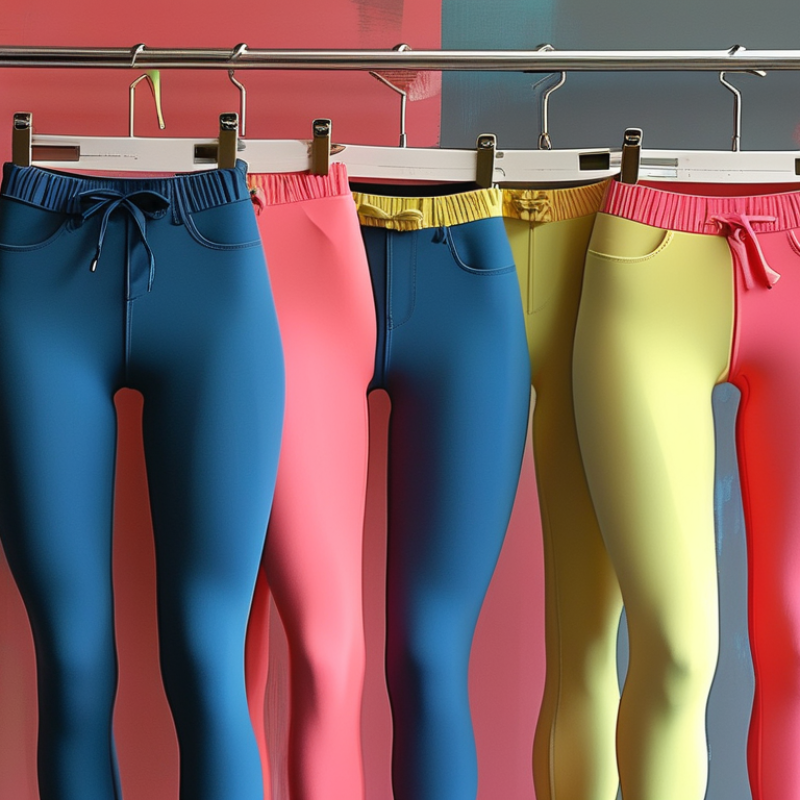
Leggings rolling down at the waist is a common frustration for many wearers. Understanding the causes can help address this issue effectively. One primary reason is the fabric composition. Many leggings are made from stretchy materials yet lack adequate support. According to industry reports, leggings with less than 30% spandex often do not provide enough hold. This can lead to slipping, especially during movement.
Another factor is body shape. Everyone has a unique silhouette. High-waisted designs don’t fit everyone equally. About 40% of women report struggling with leggings that don’t accommodate their shape. The waistband can dig into the sides or slide down during activities. When leggings are not properly sized for an individual's body type, this increases the likelihood of rolling down.
Finally, poor waist design contributes to the problem. Some leggings simply lack a secure waistband. Research indicates that elastic bands with a wider width can help keep leggings in place, reducing the chances of rolling down. Comfort, flexibility, and support must be balanced to ensure a better fit. The experience of wearing leggings should be enjoyable, but issues like these require attention and reflection.
| Cause | Description | Solution |
|---|---|---|
| Incorrect Size | Wearing leggings that are too big or too small can cause rolling at the waist. | Always check the size guide before purchasing. Measure your waist and hips for a better fit. |
| Material Quality | Low-quality materials may lack elasticity, leading to slippage. | Opt for higher quality, thicker fabrics with good stretch. |
| Waistband Design | Poorly designed waistbands may not stay in place properly. | Look for leggings with a high-rise or reinforced waistband. |
| Body Shape | Different body shapes can affect how leggings fit around the waist. | Consider brands that cater to diverse body shapes or styles that are tailored to your body type. |
| Movement and Activity | Certain activities can cause leggings to shift or roll down. | Choose leggings with non-slip materials or those designed for specific activities like yoga or running. |
: Leggings often roll down due to fabric composition, body shape, or poor waistband design.
Leggings with less than 30% spandex often lack enough hold, leading to slipping during movement.
Around 40% of women find leggings fail to accommodate their unique silhouettes, causing them to slide or dig in.
A non-elastic waistband may not stay in place, while wider elastic bands can help keep leggings secure.
Leggings that are too large lack hold, while overly tight ones create uncomfortable pressure, affecting fit.
Look for high-waisted styles with wide waistbands and a high spandex content for better support.
Layering a fitted top or using a workout belt can help secure the waist and prevent rolling.
Each person's body shape is unique, and personal experience varies widely with leggings.
Low-quality materials stretch over time, worsening the issue of rolling waistbands during wear.
Experiment with different styles and fits to find what best matches your body shape and activity level.
The article "Why Do Leggings Roll Down at the Waist? Solutions Here" explores the common issue of leggings slipping down, which can be both frustrating and distracting. It delves into the various causes behind this phenomenon, such as poor fit, inadequate fabric elasticity, and specific body shapes that may contribute to rolling. The discussion highlights how common fit issues, including waistband size and legging style, can exacerbate the problem.
Additionally, the article emphasizes the importance of fabric composition in determining legging performance, noting that materials with higher stretch and recovery properties tend to stay in place better. To combat the rolling issue, practical solutions are provided, including choosing the right size and style for an optimal fit. Ultimately, understanding why leggings roll down at the waist can help wearers make informed decisions for a more comfortable experience.

 Orap Clothing